
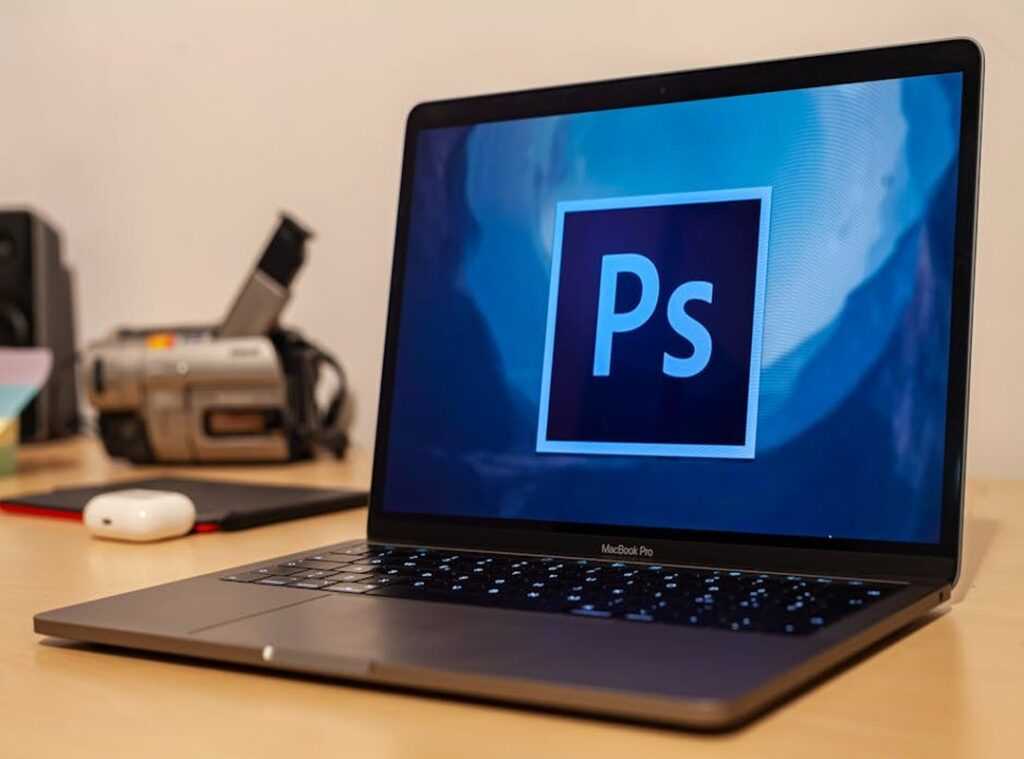
You’ve stared at that list of graphics tools for twenty minutes.
And still don’t know which one to open first.
I’ve watched designers, small studios, and even marketing teams freeze up trying to pick the right software. Not because they’re lazy (because) the noise is deafening.
Software Tools Gfxdigitational isn’t about chasing trends. It’s about matching real work to real tools.
I’ve guided over 200 creatives through this exact decision. Every time, we skip the hype and ask two questions: What are you actually making? And what do you actually need to get it done?
No fluff. No “best for everyone” nonsense.
By the end, you’ll know the core types. And exactly which one fits your next project.
Not someday. Right now.
Raster vs. Vector: Pick Wrong, Pay Later
I open Photoshop to edit a photo. I open Illustrator to draw a logo. That’s not habit.
That’s physics.
Raster graphics are pixel-based. Think of them as digital mosaics. Tiny colored squares locked in place.
Zoom in too far? You see the squares. That’s why photos look great on screen but turn blurry when blown up for a billboard.
(Yes, even your iPhone selfie.)
Adobe Photoshop. GIMP. Affinity Photo.
These tools speak raster fluently. They’re built for texture, light, grain. Things that live in pixels.
Vector graphics? They’re math. Lines, curves, points (defined) by equations, not dots.
Scale them to the size of a building or the tip of a pen. They stay sharp. Always.
Adobe Illustrator. Affinity Designer. Inkscape.
These don’t paint. They construct. Like blueprints.
Like wireframes. Like the schematics for a font glyph.
You ever get handed a logo that’s just a JPEG? And then you need it on a T-shirt, a sign, and a business card. All at once?
Yeah. That’s a raster logo. And it’s already broken.
Choosing the wrong format early kills projects. A pixelated logo isn’t “good enough for now.” It’s a $500 fix later. Or worse (it) ships, and your brand looks cheap.
Gfxdigitational covers this exact gap. Not theory. Not fluff.
Just real tools, real formats, real consequences.
Software Tools Gfxdigitational isn’t a buzzword. It’s a checklist. Did you start with vector for logos?
Did you use raster only where detail demands it?
I’ve seen startups burn budget because someone used a PNG for their app icon set. Then had to rehire a designer to rebuild everything in vector. Don’t be that person.
Start with the right base. Everything else follows. Or doesn’t.
Matching Tools to Real Work
I used Canva to make a last-minute Instagram post at 11 p.m. It took 90 seconds. That’s not magic (it’s) what happens when you pick the right tool for social media and quick marketing materials.
Canva and Adobe Express are built for speed. Not perfection. Not flexibility.
Speed. You drag, drop, swap fonts, hit download. Done.
If you’re making flyers, stories, or email headers. Stop overthinking it. Use one of these.
Vector software isn’t optional for logos. It’s non-negotiable. I once handed a client a PNG logo.
They printed it on a billboard. It looked like a potato. (Yes, really.)
Use Illustrator if you can afford it. Affinity Designer if you want near-identical power for less. CorelDRAW if you grew up with it and still trust it.
All three output clean vectors. All three scale to any size without breaking. That’s the only thing that matters here.
Photoshop still owns pixel-level control. Layers. Masks.
Color grading. GIMP gets close. And it’s free.
But its interface fights you every time you try to do something precise. I’ve retouched product shots in both. Photoshop wins.
Every time. Unless your budget says otherwise. Then GIMP stays open on my second monitor.
Figma is where UI/UX design lives now. Sketch still works. If you’re on macOS and don’t need real-time collaboration.
Adobe XD? I tried. Gave up after two team handoffs broke the prototype links.
Collaboration isn’t a bonus. It’s the job. You need shared components.
Version history. Click-through prototypes. Figma delivers all three.
Without making you beg for permissions.
The biggest mistake I see? Using Photoshop for logos. Or Canva for app wireframes.
Tools aren’t interchangeable. They’re specialized.
This isn’t about preference. It’s about Software Tools Gfxdigitational matching the actual work (not) your mood, not your subscription status, not what your cousin uses.
I track updates, bugs, and new features across all these apps. You’ll find the latest breakdowns in Tech News Gfxdigitational.
Pick the tool that does one thing well. Then do that thing. Stop trying to force everything into Photoshop.
You don’t need ten tools.
You need the right one (for) right now.
Price, Time, and Compatibility: What Actually Matters
I’ve bought software I didn’t need. I’ve wasted months learning tools I abandoned. And I’ve lost hours trying to open a file someone sent me.
Let’s talk about the three things nobody asks about until it’s too late.
Budget & Pricing Models
Free tools like GIMP or Inkscape cost zero (but) they demand time to customize and patch. Freemium tools like Figma or Canva lure you in, then lock features behind paywalls. Adobe Creative Cloud? $60/month.
That’s $720 a year. Every year. Affinity Suite is one-time: $70.
No subscription. Ever. Ask yourself: will you use this tool next year?
If not, why pay for it?
Learning Curve
Canva takes five minutes to start. Photoshop takes five months to use without Googling every step. I tried mastering Blender last winter.
Gave up after week three. Be honest: how many hours per week can you actually spend learning? Not “should.” Can.
Space & Integration
You don’t work in isolation. Your designer sends a PSD. Your developer needs SVG.
Your client wants PDF. Adobe Creative Cloud handles that handoff cleanly (because) it’s built to talk to itself. Other tools?
You’ll export, convert, re-export, and pray nothing breaks. That friction adds up. Fast.
None of this is theoretical. I tracked my own tool usage over 18 months. The most expensive tool I used cost less than the cheapest one (because) of time wasted on compatibility and training.
If you’re weighing options, skip the feature list first.
Start with price, time, and whether it plays nice with what you already use.
For more real-world comparisons and updates on how these tools stack up, check out the latest Technology News Gfxdigitational. It’s where I go when I’m tired of marketing fluff and just want the facts. Software Tools Gfxdigitational isn’t magic.
It’s math, time, and compatibility. Nothing more.
Pick One Tool. Use It Well.
You’re tired of scrolling through endless Software Tools Gfxdigitational lists.
I’ve been there too. Wasting hours comparing features nobody uses.
Your problem isn’t lack of options. It’s decision fatigue from pretending every tool must do everything.
So stop trying to find the perfect tool. Start with your most frequent task.
What do you actually do every day? Crop? Composite?
Animate? Write it down.
Then go back to Section 2. Re-read just that one recommendation.
Try the free version this week. Not five tools. Just that one.
You’ll move faster. You’ll build confidence. You’ll stop second-guessing.
This isn’t about upgrading software. It’s about upgrading your focus.
Your workflow is yours to run.
Do it.
 Cathleena Camachora has opinions about digital infrastructure strategies. Informed ones, backed by real experience — but opinions nonetheless, and they doesn't try to disguise them as neutral observation. They thinks a lot of what gets written about Digital Infrastructure Strategies, Expert Breakdowns, Tech Workflow Optimization Tips is either too cautious to be useful or too confident to be credible, and they's work tends to sit deliberately in the space between those two failure modes.
Reading Cathleena's pieces, you get the sense of someone who has thought about this stuff seriously and arrived at actual conclusions — not just collected a range of perspectives and declined to pick one. That can be uncomfortable when they lands on something you disagree with. It's also why the writing is worth engaging with. Cathleena isn't interested in telling people what they want to hear. They is interested in telling them what they actually thinks, with enough reasoning behind it that you can push back if you want to. That kind of intellectual honesty is rarer than it should be.
What Cathleena is best at is the moment when a familiar topic reveals something unexpected — when the conventional wisdom turns out to be slightly off, or when a small shift in framing changes everything. They finds those moments consistently, which is why they's work tends to generate real discussion rather than just passive agreement.
Cathleena Camachora has opinions about digital infrastructure strategies. Informed ones, backed by real experience — but opinions nonetheless, and they doesn't try to disguise them as neutral observation. They thinks a lot of what gets written about Digital Infrastructure Strategies, Expert Breakdowns, Tech Workflow Optimization Tips is either too cautious to be useful or too confident to be credible, and they's work tends to sit deliberately in the space between those two failure modes.
Reading Cathleena's pieces, you get the sense of someone who has thought about this stuff seriously and arrived at actual conclusions — not just collected a range of perspectives and declined to pick one. That can be uncomfortable when they lands on something you disagree with. It's also why the writing is worth engaging with. Cathleena isn't interested in telling people what they want to hear. They is interested in telling them what they actually thinks, with enough reasoning behind it that you can push back if you want to. That kind of intellectual honesty is rarer than it should be.
What Cathleena is best at is the moment when a familiar topic reveals something unexpected — when the conventional wisdom turns out to be slightly off, or when a small shift in framing changes everything. They finds those moments consistently, which is why they's work tends to generate real discussion rather than just passive agreement.