
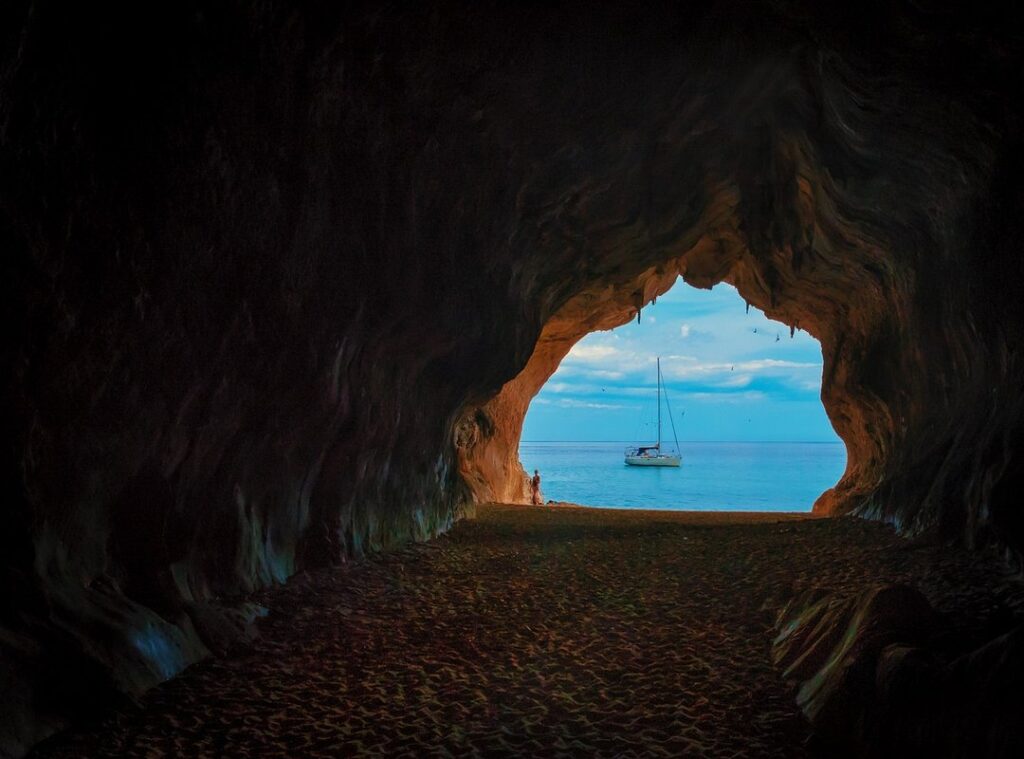
You see a boat with a stunning color scheme and think, “I want that for my boat.” It’s a natural reaction. This article is here to help. I’ll guide you through finding warna perahu keren—from timeless classics to modern, bold designs.
You’ll leave with not just ideas, but the practical knowledge to choose a color that’s both beautiful and functional. A boat’s color reflects the owner’s personality and style. The right paint job can increase your boat’s appeal and even its perceived value.
Let’s dive in.
Timeless & Classic: Color Schemes That Always Impress
Navy and White: A Nautical Staple
Navy and white is a classic combo. It’s got a nautical heritage that goes back centuries. Think of the crisp, clean look of a sailor’s uniform.
This color scheme signifies elegance and sophistication. It suits sailboats and classic cruisers best. There’s something about it that just feels right on the water.
Fighting Lady Yellow: High Visibility and Tradition
Fighting Lady Yellow has a rich history. It’s known for its high visibility, making it a favorite for safety and style. This color creates a traditional, stately look.
It’s perfect for boats that want to stand out while still looking classic.
All-White with a Bold Accent Stripe: Modern and Clean
All-white with a bold accent stripe is a modern take on a classic. It gives your boat a clean, sleek look. The single stripe of color—like red, black, or teal—adds a personal touch.
It’s a great way to keep things simple yet stylish.
Seafoam Green or Sky Blue: Calm and Coastal
Seafoam green and sky blue are colors that blend seamlessly with the natural environment. They create a calm, classic coastal vibe. These colors are perfect for those who want their boat to feel like an extension of the sea.
Pro Tip: Use high-quality marine paint. It ensures these warna perahu keren maintain their deep gloss and don’t fade under UV exposure.
Modern & Bold: Stand-Out Colors for the 21st Century

Boats don’t have to be boring. You can make a statement with the right colors and finishes.
Think about metallic and pearlescent finishes. Charcoal silver, deep sapphire blue, or even metallic red can add a touch of luxury and performance to high-speed boats.
High-contrast two-tone designs are another way to go. A black hull with a bright orange or lime green top section creates a visually striking, sporty look. It’s all about standing out on the water.
Matte finishes are also in. Matte black or grey gives a boat a stealthy, modern, and tactical appearance. It’s like your boat is ready for a covert mission. Feedworldtech
For those who want maximum visibility and a fun aesthetic, vibrant, unconventional colors are the way to go. Electric teal, mango orange, or canary yellow will turn heads and make your boat the center of attention.
Warna perahu keren, right? (That’s “cool boat colors” in Indonesian, by the way.)
Pro tip: Consider using vinyl wraps as an alternative to paint. They’re great for achieving complex graphics or colors that are difficult to paint. Plus, they’re easier to change if you get tired of the look.
Beyond Looks: Practical Factors in Your Color Choice
When it comes to warna perahu keren, there’s more to consider than just aesthetics. Dark colors like black or navy blue absorb more heat, making decks and cabins hotter. On the other hand, white reflects sunlight, keeping things cooler.
White and very light colors can show dirt and marine growth more easily. This means you might find yourself cleaning more often. Darker colors, however, can show salt spray and water spots, which can be a nuisance if you’re not a fan of constant maintenance.
Safety and visibility are crucial. Bright colors like yellow, orange, or even bright white stand out on the water. This is especially important in fog or emergencies when being seen can make all the difference.
Darker pigments, such as reds and dark blues, are more prone to UV degradation and fading over time. Whites and light greys, in contrast, tend to hold up better against the sun’s rays.
Matching the color to the boat’s purpose is key. For example, camouflage patterns are great for fishing boats, helping them blend into the environment. Sleek, racy colors, on the other hand, can give a speedboat that sporty, high-performance look.
In the end, your choice should balance practicality and style. Think about how you use your boat and what makes the most sense for your needs.
Your Guide to a Flawless Finish
When deciding on the perfect boat color, consider the balance between personal style and practical needs. Think about maintenance, safety, and heat management.
warna perahu keren is ultimately the one that the owner will be proud of for years. Whether you choose a classic navy or a bold metallic, it should reflect your taste and stand the test of time.
Classic Nautical, Modern Sport, and Environmentally Blended are the top three most popular color styles. Each offers a unique blend of aesthetics and functionality.
Start creating a mood board or save pictures of your favorite boat color schemes. This can help you plan and visualize your project, making the decision process more enjoyable and effective.
 There is a specific skill involved in explaining something clearly — one that is completely separate from actually knowing the subject. Kimberlee Blankurtins has both. They has spent years working with digital infrastructure strategies in a hands-on capacity, and an equal amount of time figuring out how to translate that experience into writing that people with different backgrounds can actually absorb and use.
Kimberlee tends to approach complex subjects — Digital Infrastructure Strategies, Tech Workflow Optimization Tips, Insight Influx being good examples — by starting with what the reader already knows, then building outward from there rather than dropping them in the deep end. It sounds like a small thing. In practice it makes a significant difference in whether someone finishes the article or abandons it halfway through. They is also good at knowing when to stop — a surprisingly underrated skill. Some writers bury useful information under so many caveats and qualifications that the point disappears. Kimberlee knows where the point is and gets there without too many detours.
The practical effect of all this is that people who read Kimberlee's work tend to come away actually capable of doing something with it. Not just vaguely informed — actually capable. For a writer working in digital infrastructure strategies, that is probably the best possible outcome, and it's the standard Kimberlee holds they's own work to.
There is a specific skill involved in explaining something clearly — one that is completely separate from actually knowing the subject. Kimberlee Blankurtins has both. They has spent years working with digital infrastructure strategies in a hands-on capacity, and an equal amount of time figuring out how to translate that experience into writing that people with different backgrounds can actually absorb and use.
Kimberlee tends to approach complex subjects — Digital Infrastructure Strategies, Tech Workflow Optimization Tips, Insight Influx being good examples — by starting with what the reader already knows, then building outward from there rather than dropping them in the deep end. It sounds like a small thing. In practice it makes a significant difference in whether someone finishes the article or abandons it halfway through. They is also good at knowing when to stop — a surprisingly underrated skill. Some writers bury useful information under so many caveats and qualifications that the point disappears. Kimberlee knows where the point is and gets there without too many detours.
The practical effect of all this is that people who read Kimberlee's work tend to come away actually capable of doing something with it. Not just vaguely informed — actually capable. For a writer working in digital infrastructure strategies, that is probably the best possible outcome, and it's the standard Kimberlee holds they's own work to.